



Description
"Souls never die - All things change, nothing perishes As a wax is stamped with certain figures and then melted, then stamped anew with others, yet it is always the same wax" - Buddha
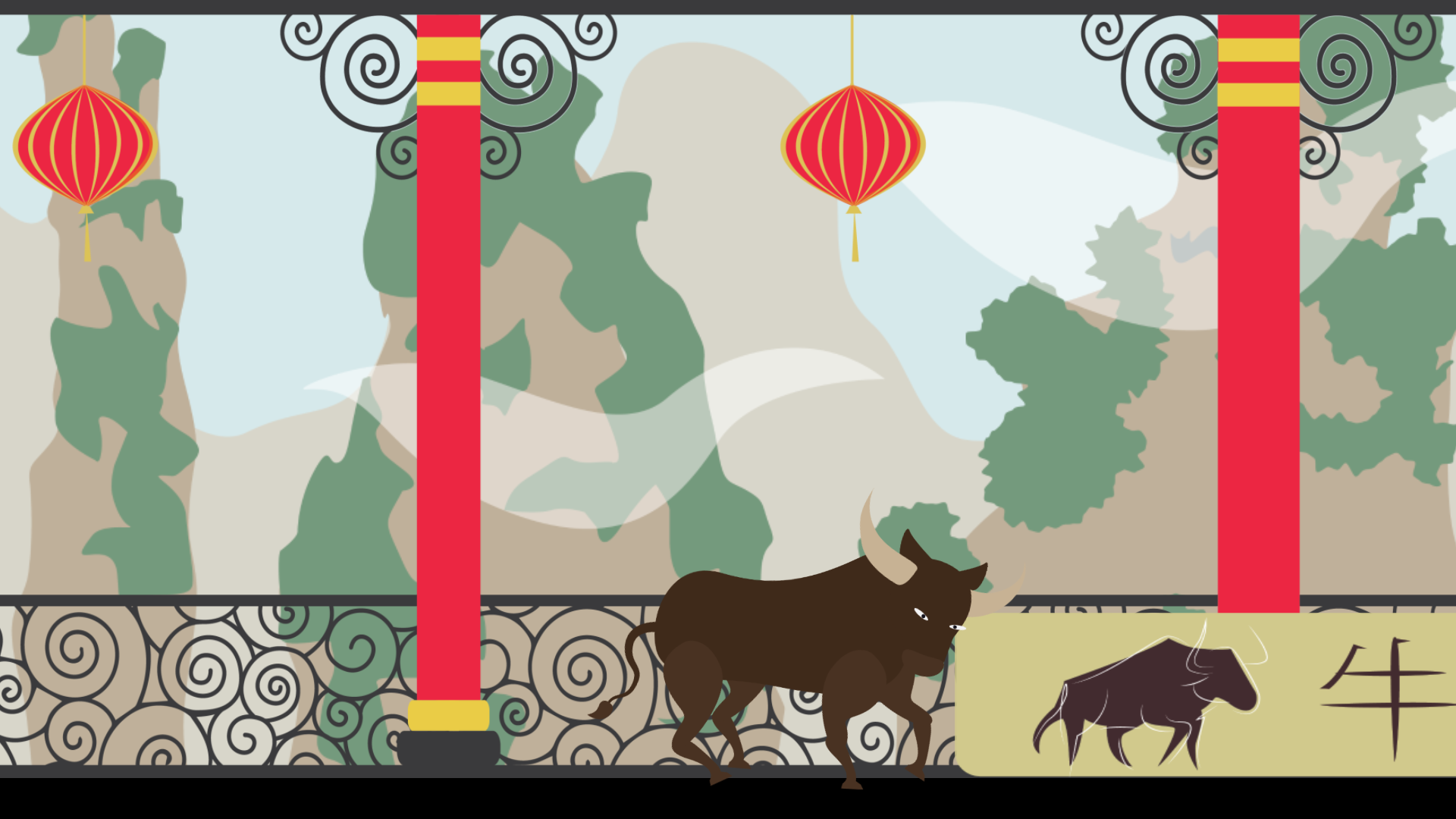
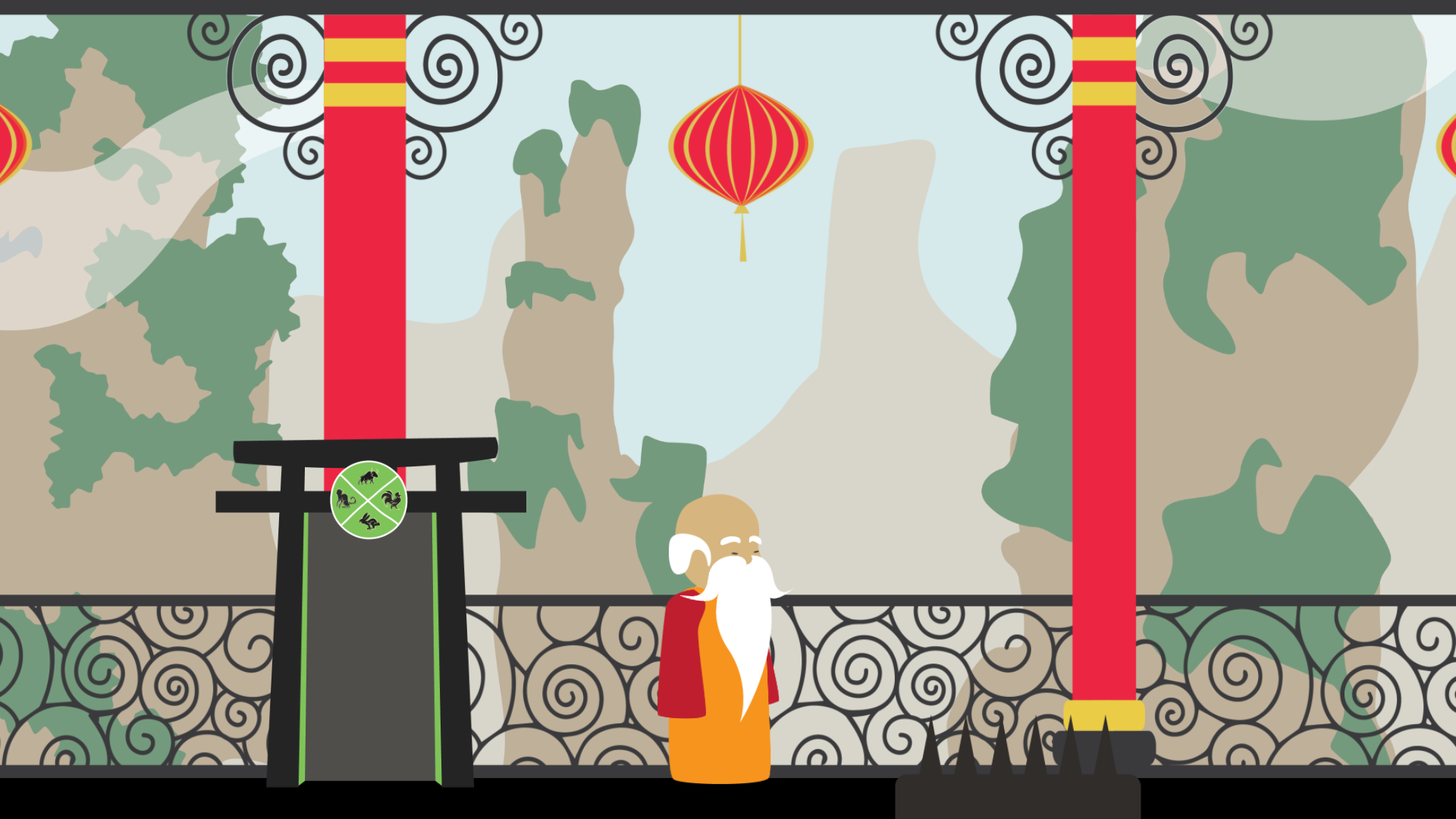
A 2D platformer for the PC based around transforming between twelve different animals, Samsara is a game that blends mysticism, variety, and mechanics as metaphors to deliver a truly unique gaming experience. No two playthroughs will be the same, thanks to the ever-changing modular level design! Samsara challenges players to forge their own path through the Gauntlet by combining the abilities of different animals, all the while providing them a dynamic arena to explore the unique mechanics of each beast at the player's own pace.
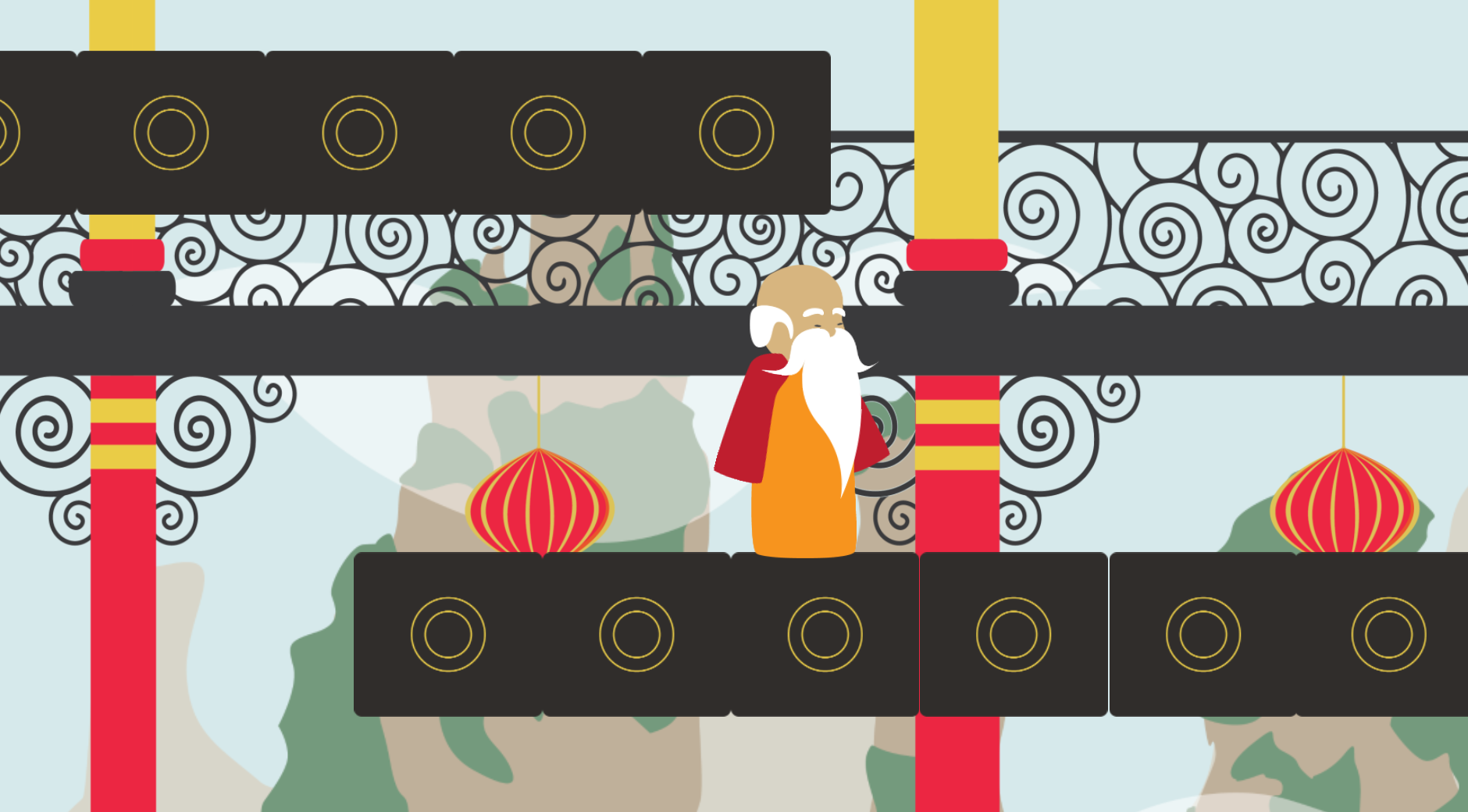
In Samsara you have the ability to swap between different animal forms in order to traverse the Gauntlet of Enlightenment. This treacherous gauntlet is always shifting and changing, as we all are in life. At the end of the gauntlet you will reach enlightenment, thus freeing you from the endless cycle of Samsara.
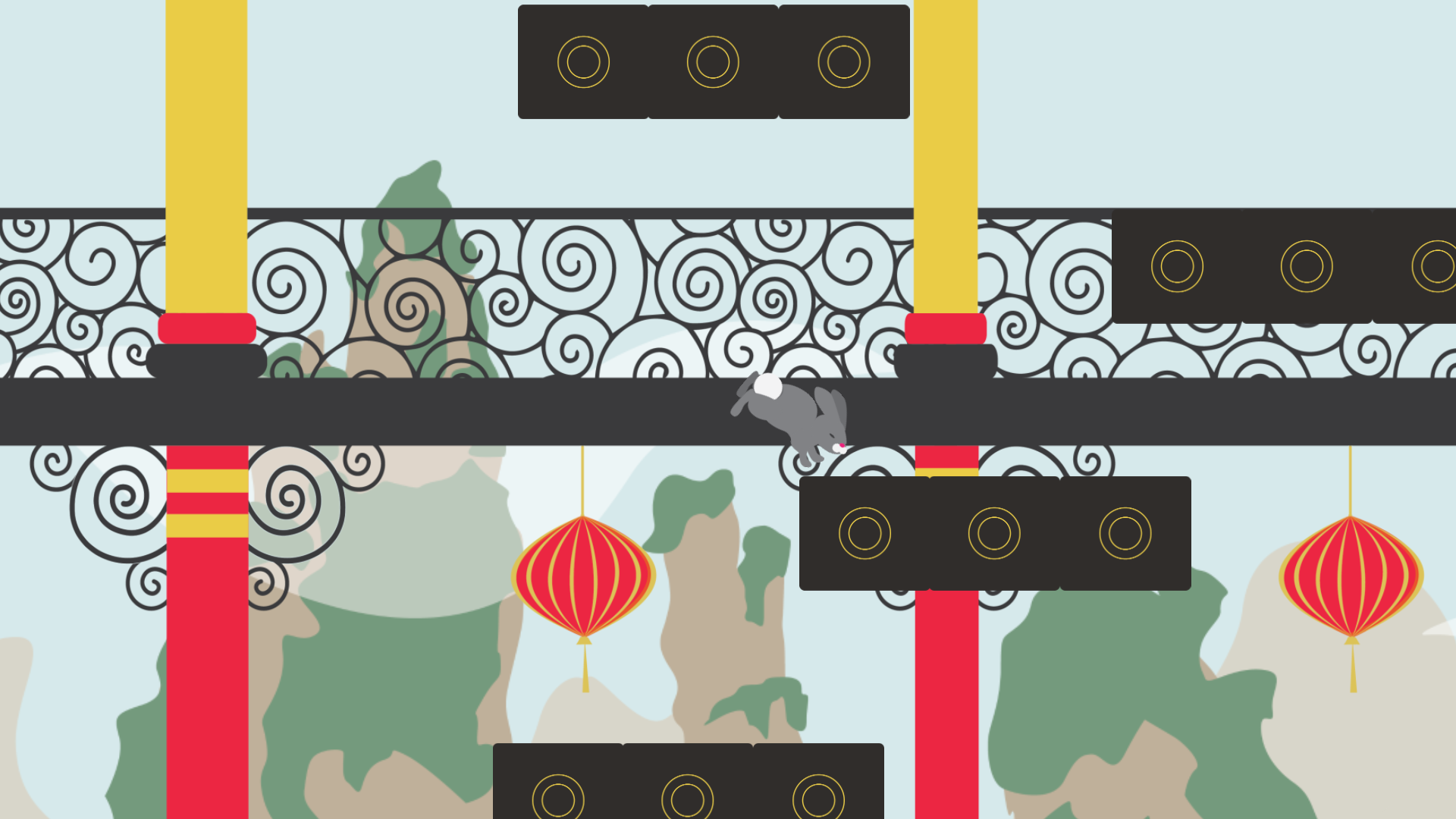
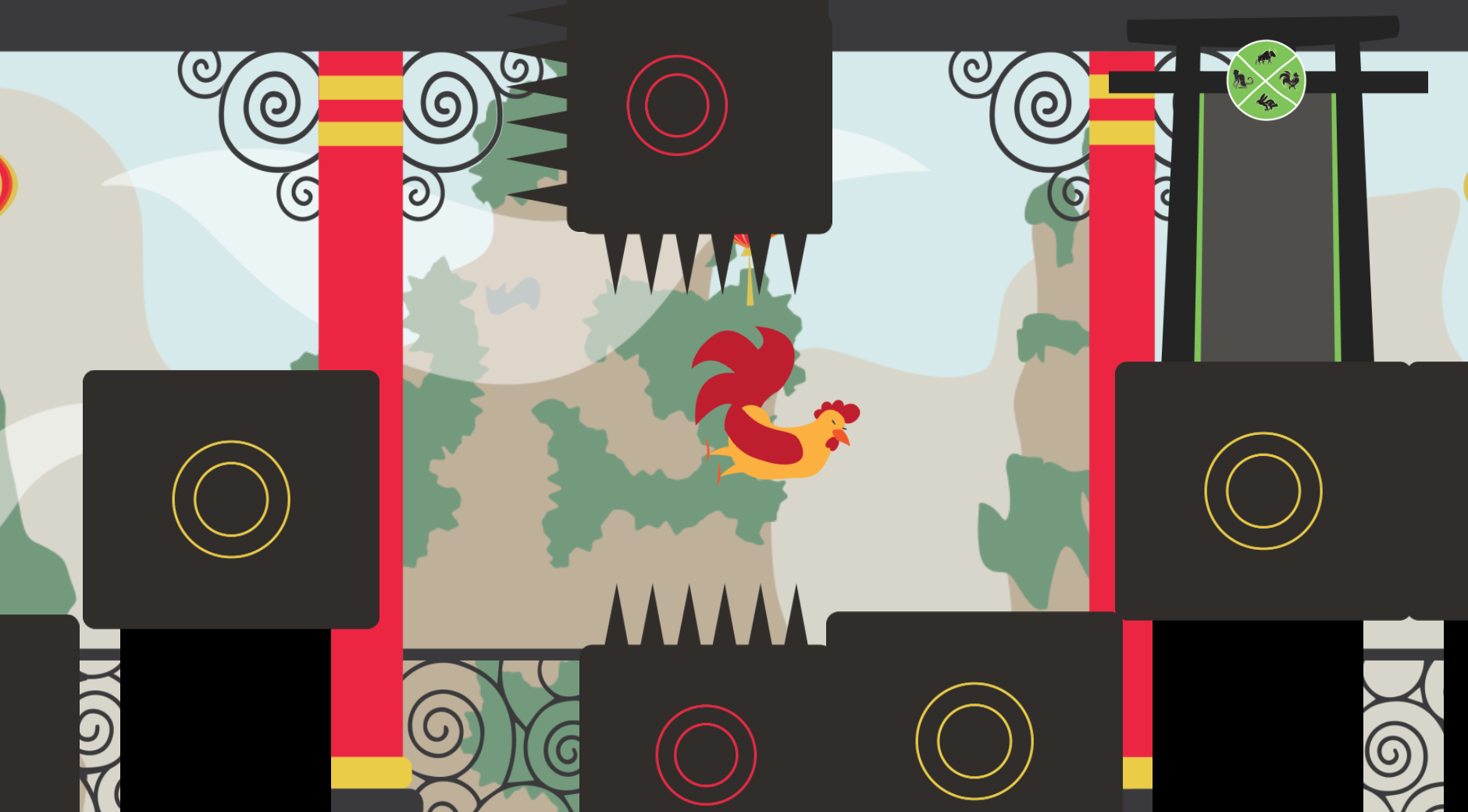
While there are twelve animals in total, you will swap between four at a time. Every so often the animals you can swap between is changed and the level will shift and adjust itself to conform to your new abilities. Each animal has its own set of mechanics to traverse the deadly hazards! In order to quickly surpass all the obstacles ahead of you, you will need to master swapping between your various forms on the fly!
There are multiple ways through each level, and the level itself is randomly assembled, so each playthrough will be unique. As you go through the level, it will be shifting and changing based on the current animals you have access to. The Gauntlet of Enlightenment is a fickle beast; if you fail too many times it may get impatient and change!
Screenshots




Lessons Learned
Samsara was an interesting beast, as it was one of the largest teams I've worked with and we would only be together for two days. A big challenge was communication. We broke ourselves into groups based on skill, and appointed a lead to each group which would be used to communicate with the leads of other groups. Any requests or discussions would be with that lead who would pass it on. This taught be a fair amount about managing a larger team, namely dealing with the challenges of communication.
At the time I was only just starting to learn git, so we didn't have time to set up a proper version control system. Files were shared via multiple usb drives. This proved to be a hassle, as we would often loose track of what files are on what drive, and outdated assets would find their way into the game. It was through this that I learned just how important version control actually was, and the very next day I buckled down and taught myself git.
Development
Samsara was developed for Global Game Jam 2015, and was an idea conceived by Mostafa Haque. I took the role of lead programmer and project manager. Our team was large enough to where communication became a problem, hence why we split off into departments, each with their own lead.
Being a Game Jam game, development was swift and sloppy. The character's movement was made in about two hours, with each new animal tacking on about another hour. The real meat of the programming went into the level system, as well as animal swapping mechanic.
The modular levels are actually rather simple. The way it works is that we have a series of what I call "modules" that are all of the same height and all connect together in some way at the bottom left and bottom right. Modules are pieced off into tiers of difficulty, which get chosen depending on the answers to a quiz at the beginning of the game. It then chooses a set of modules and shuffles them around. The ending is always the same, however.
Since then a new modular level system is in the works, one which connects anchor points on the level to improve verticality. This comes along with the module editor, and in-house tool we are using to make modules that will be released for public use along with the game.
A fun fact about development is that we had a very angry art team on our hands. It seems the module designers were stretching their art assets, and they weren't happy with it. On top of that, my one rule: "No slopes!" was broken when they included blocks which could be toppled over via a physics engine. Both of these remain in the game to this day.
Notes
Samsara saw itself Greenlit for a steam release, and is a project worked on to this day. There are currently only 4 out of 12 animals available for play in this game jam version.

Samsara
Glide, hop, gallop, and slither your way across the Gauntlet of Enlightenment in Samsara - a 2D side scrolling platformer! Play an imperfectly incarnated Buddhist monk with the power to transform into various animals from the Chinese Zodiac. Conquer the modular gauntlet, or add on to it with your own custom creations!
Release Date:
01/25/2015
Platform:
PC
Roles:
Lead Programmer
Project Manager
Skills:
Modular Level System
Character Controller
Basic Physics
Tool:
Unity
Client:
Global Game Jam 2015
Work Dates:
01/23/2015 - 01/25/2015
Download
Other Projects

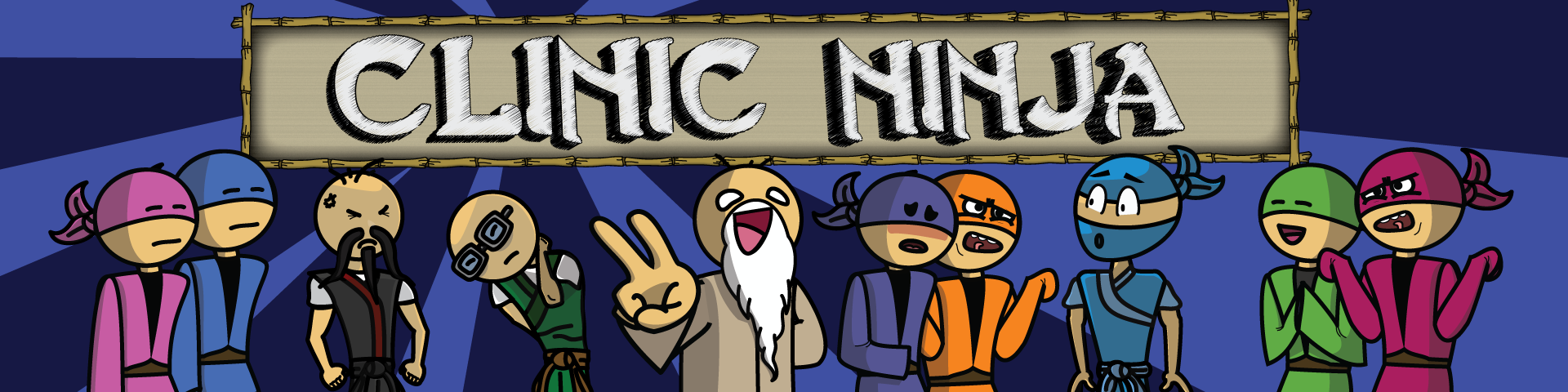
In Clinic Ninja you play, naturally, as Clinic Ninja! Join them in this educational text based adventure as they learn the benefits of meaningful use standards. Experience the day to day happenings of work at the clinic, and get to know the ins and outs of being a ninja. Can you become a black belt of meaningful use?
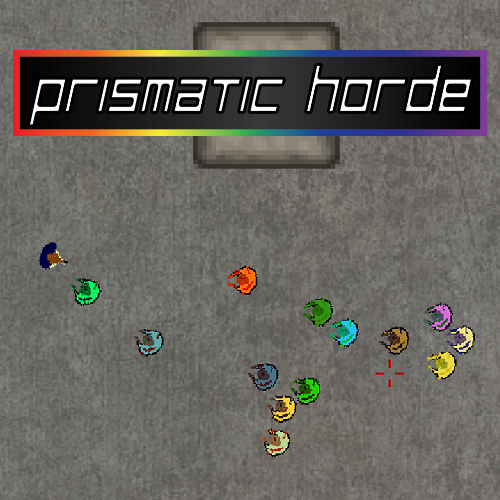
Make your final stand against the onslaught of colorful invaders in this 2D top down shooter! Use a variety of weapons to combat the deadly horde: The tried and true pistol, the pray and spray machine gun, the apocalypses favorite shotgun, and of course a laser cannon.

A catastrophic event has sent the world into a spiraling decent of chaos. For every effect, however, there is a cause. You exist in one moment, frozen in time. Use the final thoughts of those at the heart of it all to track down the source of the calamity, and erase their very existence from history itself.





The SparkEngine is a feature rich platforming engine created for GameMaker 7. It was designed for beginners, and is known for its single line character controller. It handles movement, gravity, wall jumping, double jumping, collisions, physics, animation, audio, scaling, camera control, motion blur, and more!

A narrative review, written for the annual GDC Game Narrative Review Competition. In this award winning essay, I dive into the facets of storytelling through use of mechanics, as well as the excellent utilization of medium, that made Undertale a worldwide phenomenon!
A narrative review, written for the annual GDC Game Narrative Review Competition. In this award winning essay, I provide introspective as to how Brothers manages to convey a sense of character and feeling of loss, not through spoken word, but by utilizing clever gameplay mechanics and even the player's method of input.